
Views: 0 Author: Site Editor Publish Time: 2026-02-08 Origin: Site


Home amps chase comfort. Clubs chase survival.Power Amplifiers for Nightclubs and DJ Setups run loud for hours. They rarely rest.Heat builds fast inside racks. Airflow often stays poor.DJs push peaks hard. Bass hits arrive again, again, again.Speakers look “4Ω” on paper. Real impedance dips lower at key notes.Cable runs stretch long. Loss rises. Current demand climbs.
High average level, long duty cycle, frequent limiter events.
Reactive loads from crossovers. Phase swings. Current spikes.
Hot rooms. Crowds. Little ventilation near the booth.
Unplanned changes. Extra speakers. Quick rewires at 9:55 PM.
How many watts do we need per zone?
Why does it sound harsh near “clip”?
Why does protection trip during bass drops?
How do we keep it stable on real speakers?
Clean peaks at show level. No crunch. No surprise mute.
Stable behavior into ugly loads. Long cables. Multiple boxes.
Thermal control for long sets. Predictable output at 2 AM.
| Venue reality | What it forces in the amp | What you hear if it fails |
|---|---|---|
| Hot rack, poor airflow | Strong thermal design, smart fan control | Level drops, then sudden mute |
| Low impedance dips | High current capability, safe protection | Thin bass, harshness, shutdown |
| Long speaker lines | Stability margins, output networks | Noise, edge, random artifacts |
Specs feel messy. We can make them usable.We care about voltage, current, heat, time. Not marketing words.
Peak power: short bursts. Kick drum hits. Drop impacts.
Continuous power: sustained output before heat wins.
Headroom: extra space before clipping starts.
Crest factor: peak level compared to average level.
Nominal impedance labels help. They never tell the full story.Impedance changes across frequency. Bass regions often dip hardest.Lower impedance means more current. More current means more heat.
| Spec line | Simple meaning | Club takeaway |
|---|---|---|
| “2× 1500 W @ 4Ω” | Rated output into a resistive load | Plan margin for real speakers |
| “Min load 2Ω” | Lowest safe nominal impedance | Avoid dips plus long cables |
| “THD+N 1 kHz” | Distortion plus noise at a test tone | Check behavior near clipping too |
| “Damping factor” | Output control into a load | System matters more than one number |
Lower crest factor raises average power. It raises heat too.
| Program type | Typical crest factor | What it means for amps |
|---|---|---|
| Highly compressed EDM | 6–9 dB | High average draw, strong cooling |
| Mixed DJ sets | 8–12 dB | Balance peak delivery, thermal margin |
| Live vocals over music | 10–15 dB | Cleaner peaks, still needs headroom |
Start at the speakers. Work backward to the amp.It keeps budgets sane. It keeps performance predictable.
Pick target SPL per area. Dancefloor first. Booth second.
Use speaker sensitivity. Add distance loss. Add room factors.
Estimate voltage needed at peaks. Translate it into watts.
Add headroom. Plan for DJs pushing meters into red.
Assign channels per zone. Subs often need dedicated channels.
Power rises fast when impedance drops.
Voltage drives loudness. Current drives heat.
More sub bass equals more current demand.
Rule of thumb: choose an amp for clean peaks. Then set limiters for drivers.
| Zone | Speaker count | Nominal load | Target headroom | Amp channel plan |
|---|---|---|---|---|
| Main tops | 2 | 8Ω per channel | 3–6 dB | 2 channels |
| Subs | 2–4 | 4Ω or lower per channel | 6 dB | 2 channels, high current |
| Booth monitors | 2 | 8Ω | 3 dB | 1–2 channels |
| Fills / delays | 2–6 | 8Ω or 4Ω | 3 dB | Multi-channel amp |
Chasing maximum watts. Ignoring current delivery.
Running too many boxes on one channel.
Skipping headroom. Living in clipping all night.
Using sine-test ratings as a club guarantee.
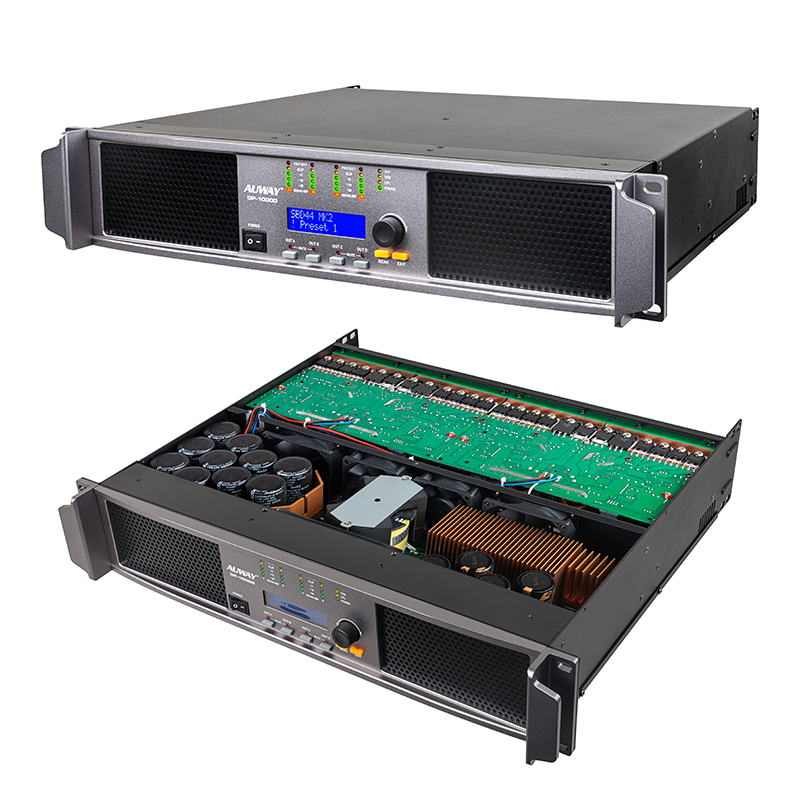
The power supply shapes sound. It shapes reliability too.Rail sag can soften bass. It can trigger protection.Mains sag can do the same. It hits at peak hours.
Peaks demand fast energy. The supply must deliver it instantly.
Average draw heats everything. Transformers, switches, heatsinks.
Low crest factor music raises average draw. It stresses supplies.
Shared circuits cause voltage droop. Lighting makes it worse.
Loose neutrals cause noise. Buzz appears across the system.
Bad distribution causes breaker trips. Drops cause chaos.
Use dedicated circuits for amp racks. Label them clearly.
Balance loads across phases. Spread sub amps across feeds.
Measure wall voltage at show time. Log it for patterns.
Plan headroom in electrical design. Avoid running near limits.
| Symptom | Likely power cause | Fast test | Fix direction |
|---|---|---|---|
| Shutdown during bass drops | Voltage sag, over-current | Monitor mains during drops | Better distribution, lower load per channel |
| Sound gets thin late night | Thermal limiting, rail sag | Check amp temperature trends | Improve airflow, reduce sustained level |
| Buzz after lighting changes | Ground issues, shared circuits | Isolate audio feed temporarily | Correct grounding, separate power paths |
Stability means no oscillation. No weird spikes. No surprises.Real speakers look reactive. Cables add capacitance. It stacks up.Some amps pass bench tests. They fail on a club rig.
Harsh edge at high level. Even before clipping.
Protection trips on specific tracks. Often bass heavy ones.
Strange heat rise at idle. Fans ramp up too soon.
RF-like noise leaking into nearby gear.
Crossovers shift phase. Current lags or leads voltage.
Impedance dips near crossover points. Current spikes happen.
Long cable runs raise capacitance. It can provoke oscillation.
Keep speaker wiring tight. Avoid random adapters.
Use proper gauge for distance. Reduce losses. Reduce heat.
Separate signal lines from power runs. Reduce coupling noise.
Check connector integrity weekly. Loose contact equals chaos.
| Run length | Load range | Suggested approach | Reason |
|---|---|---|---|
| 0–10 m | 8Ω | Standard heavy speaker cable | Low loss, low stress |
| 10–25 m | 4–8Ω | Thicker gauge, fewer joins | Lower drop, better control |
| 25 m+ | 4Ω | Consider distributed amp placement | Controls loss, improves stability |
Heat decides the real max volume. Not the spec sheet.We can hit peak power for seconds. We must survive hours.Nightclub racks run hot. Booths run hotter.
High average level from compressed tracks. It keeps parts cooking.
Restricted airflow in tight racks. Fans fight a losing battle.
Low impedance loads. More current. More internal loss.
Dust buildup on filters and heatsinks. It blocks cooling fast.
Fans ramp early. They stay loud for long periods.
Output feels softer over time. Bass loses punch.
Protection lights flicker. Then a channel mutes.
Hot smell near the rack. It should scare us.
| Thermal issue | What we see | What we do |
|---|---|---|
| Blocked intake | Fan noise rises, case temp climbs | Clear front space, clean filters weekly |
| Hot exhaust recirculation | Rear area feels like a heater | Improve rear ventilation, add rack spacing |
| Too much sustained bass | Subs limit first | Set limiters, reduce low shelf boost |
| Overloaded channel | One amp runs hotter than others | Rebalance loads, add another channel |
| Use case | Average power demand | Thermal risk | What helps most |
|---|---|---|---|
| Top speakers only | Medium | Medium | Good airflow, headroom |
| Sub channels | High | High | High current amp, limiter tuning |
| Outdoor patio night | Medium to high | High | Shade, ventilation, extra amp margin |
“Good” sound means clean impact. It means no fatigue.We want punch, clarity, stable imaging. Even at extreme SPL.We also want consistency. All night long.
Hard clipping adds high-order harmonics. They feel sharp.
Limiters can hide peaks. Poor settings smear transients.
Clipping plus tweeter compression sounds like glass.
Use DSP limiters. Set them before the amp clips.
Keep gain structure sane. DJ mixer near unity most times.
Use proper crossover points. Avoid overlap fights.
Align time between subs and tops. Keep kicks tight.
Clubs mix audio gear and lighting. They love to fight.
Balanced lines for long runs. It reduces buzz issues.
Single grounding strategy. Avoid random ground ties.
Separate audio power from heavy lighting loads. It helps.
| Sound problem | Common cause | Fast fix |
|---|---|---|
| Harshness on drops | Clipping, limiter too late | Lower input, set limiter threshold earlier |
| Loose bass | Phase misalignment, heavy low EQ | Time-align subs, reduce low shelf |
| Buzz near DJ booth | Ground loop, shared power | Re-route power, isolate where needed |
Topology changes heat, weight, efficiency. It changes cost too.Sound depends on implementation. It depends on protection behavior.
Class AB: simple, serviceable, heavier heat burden.
Class H/G: rail switching. Better efficiency at high output.
Class D: high efficiency, lighter racks, needs strong stability margins.
Subs: prioritize current delivery and thermal resilience.
Tops: prioritize clean peaks and smooth clip behavior.
Fills: prioritize channel density and low noise.
| Zone | Main need | What we check first |
|---|---|---|
| Subs | High current, long duty | 4Ω performance, thermal limiting behavior |
| Main tops | Clean transients | Headroom, clipping recovery, noise floor |
| Fills/delays | Many channels | Channel count, fan noise, idle draw |
Protection saves gear. It also saves nights.Bad protection ruins shows. It mutes at the worst moment.
Over-current protection for cable shorts and connector failures.
Thermal limiting, gradual behavior, not sudden silence.
DC fault protection. It prevents speaker damage events.
Clip limiting or predictive limiting. It reduces harsh peaks.
Does it limit smoothly, or does it hard-mute?
Does it recover cleanly, or does it pump?
Does it log faults, so we can fix causes fast?
| Protection event | What it sounds like | Root cause | Best fix |
|---|---|---|---|
| Over-current trip | Sudden cut, then return | Low impedance dip, cable fault | Inspect cables, reduce load per channel |
| Thermal limiting | Volume fades, bass softens | Hot rack, sustained power | Improve airflow, set limiters, add headroom |
| Clip limiting | Less punch, less bite | Input too high, low headroom | Fix gain staging, tune DSP limiters |
Integration decides results. It decides reliability.Even the best amp fails inside a bad signal chain.
DJ mixer output → system processor/DSP → amplifiers → speakers.
Keep levels consistent. Avoid last-minute boosts.
Use balanced lines to amps. Reduce noise pickup.
Set DJ mixer near unity on normal tracks.
Set DSP input so limiter sees real peaks early.
Set amp input sensitivity so clip lights rarely flash.
Find amp clip point. Use a controlled test signal.
Set DSP limiter threshold below clip. Keep margin.
Set attack fast for highs, slower for subs.
Set release to avoid pumping. Confirm via listening.
| Band | Limiter goal | What we listen for |
|---|---|---|
| Highs | Protect drivers from spikes | No harsh “spit”, no sudden dullness |
| Mids | Protect vocal clarity | No honk, no collapse on loud hooks |
| Subs | Control thermal load | No pumping, no “flat” kick feel |
Wiring mistakes cause most “mystery” faults. They do.We can prevent them. Simple checks work.
Bridging raises voltage swing. It can increase peak output.
It also raises stress. Load planning becomes critical.
Use it only where the amp design supports it reliably.
Label every run. Label every channel. No guessing.
Reduce adapter chains. Every extra joint adds risk.
Use correct gauge for length. Keep losses low.
Keep signal lines away from power runs. Reduce hum risk.
| Common wiring mistake | What happens | Fix |
|---|---|---|
| Too many boxes per channel | Low impedance, trips | Split loads, add channels |
| Polarity reversal on one sub | Weak bass, weird punch | Polarity test, rewire correctly |
| Long thin cable | Voltage drop, heat | Use thicker gauge, shorten runs |
We test like the venue runs. Not like a lab.Short sine tests miss real stress. Music reveals it.
Verify every load. Check each run before show day.
Run polarity tests. Fix any reversed zones.
Do a thermal soak test. Two hours at high level.
Check limiter activity. Confirm it protects, not kills punch.
Clip point behavior and recovery. It should feel clean.
Noise floor at idle. Booth should not buzz.
Frequency response under load. Bass should stay consistent.
| Test | Tool | Pass condition |
|---|---|---|
| Thermal soak | Music loop, SPL meter, temp probe | No shutdown, stable output |
| Limiter alignment | DSP software, test tone | Limiter triggers before amp clipping |
| Zone balance | Pink noise, RTA | Even coverage, fewer hot spots |
Maintenance feels boring. It prevents disasters.They run hot. They collect dust. They need care.
Weekly: clean filters, check fan intake clearance.
Monthly: check connectors, tighten rack screws, inspect cables.
Quarterly: log temperatures during peak hours, compare trends.
Annually: full rack clean, replace worn fans if needed.
Keep spare speakON connectors. Keep spare speaker cable runs.
Keep a spare amplifier channel. It saves weekends.
Keep DSP presets backed up. Recover fast after failures.
We buy what matches the venue. Not what looks biggest.We also buy what we can service. Fast service matters.
Real continuous power into 8Ω and 4Ω.
Current capability and minimum load rating.
Thermal design, airflow direction, dust handling.
Protection behavior and recovery style.
Channel count and zoning flexibility.
Small DJ bar: fewer channels, quiet fans, clean noise floor.
Mid club: separate sub channels, stable 4Ω performance.
Large venue: multi-zone amps, redundancy, fault logging.
| Selection goal | What we look for | What we avoid |
|---|---|---|
| Maximum reliability | Headroom, thermal margin, smooth limiting | Running near minimum impedance all night |
| Best bass impact | High current delivery, stable low loads | Excess EQ boost as a shortcut |
| Easy operation | Clear meters, consistent gain structure | Random sensitivity mixes across amps |
Need help sizing Power Amplifiers for Nightclubs and DJ Setups for your venue. We can support it.Explore AUWAY product categories here:
Start from speaker sensitivity and target SPL. Add headroom for peaks.Then plan thermal margin for average level. It matters more.
Yes, often. It gives clean peaks. It reduces clipping risk.We still set DSP limiters. They protect drivers from abuse.
It sees high current plus heat. Voltage can sag too.Fix load planning, airflow, limiter tuning. It usually works.
No. Implementation matters. Protection behavior matters.Good designs sound clean. They also run cooler.
Stop clipping first. Fix gain staging. Use limiters earlier.Then check crossover and alignment. Tight bass reduces fatigue.
Yes. They add loss and reactance. They can stress the amp.Use thicker gauge. Place amps closer to loads when possible.
Mains voltage during peak hours.
Amp temperature and limiter activity.
Fault events and which track triggered them.
Those logs turn guessing into fixes. It keeps the system calm.


