
Views: 0 Author: Site Editor Publish Time: 2025-10-27 Origin: Site


Audio technology has evolved dramatically over the past few decades, and at the heart of this revolution lies the digital power amplifier. Whether you're a music enthusiast building a home theater system or a professional audio engineer designing a concert venue, understanding digital power amplifiers can transform your audio experience.
Unlike traditional analog amplifiers that process continuous signals, digital power amplifiers convert audio signals into digital format before amplification. This approach offers superior efficiency, reduced heat generation, and exceptional sound quality that rivals the best analog systems. The result? Cleaner audio reproduction with less distortion and more reliable performance.
Auway Audio has been at the forefront of this digital transformation, developing cutting-edge digital power amplifier solutions that cater to both consumer and professional markets. Their innovative approach combines advanced signal processing with robust engineering to deliver amplifiers that meet the demanding requirements of modern audio applications.
A digital power amplifier operates on fundamentally different principles compared to its analog counterparts. The process begins with an analog-to-digital converter (ADC) that transforms the incoming audio signal into digital data. This digital information then undergoes sophisticated signal processing before being converted back to analog form through pulse-width modulation (PWM) or similar techniques.
The digital processing stage is where the magic happens. Advanced algorithms can optimize the signal for maximum fidelity, implement crossover functions, apply equalization, and even correct for room acoustics. This level of control is simply impossible with traditional analog amplifiers.
Power efficiency represents another significant advantage. Traditional Class A and Class AB amplifiers typically achieve efficiency ratings between 25-60%, meaning much of the input power is wasted as heat. Digital power amplifiers routinely achieve efficiency ratings above 90%, dramatically reducing power consumption and heat generation.
Digital power amplifiers excel at maintaining signal integrity throughout the amplification process. The digital domain allows for precise control over every aspect of the audio signal, resulting in lower total harmonic distortion (THD) and improved signal-to-noise ratios. Many audiophiles who were initially skeptical of digital technology now acknowledge that well-designed digital power amplifiers can match or exceed the performance of premium analog systems.
Modern digital power amplifiers integrate sophisticated digital signal processing (DSP) capabilities directly into the amplification chain. This integration enables features like:
· Real-time crossover management for multi-way speaker systems
· Room correction algorithms that adapt to acoustic environments
· Dynamic range compression for consistent listening levels
· Parametric equalization with surgical precision
· Time alignment for phase-coherent sound reproduction
Digital power amplifiers generate significantly less heat than analog designs, which directly impacts component longevity. Lower operating temperatures mean reduced stress on capacitors, transistors, and other electronic components. This thermal advantage translates to longer service life and more reliable operation, particularly important in professional installations where downtime is costly.
The digital nature of these amplifiers enables seamless integration with modern audio systems. Many models feature multiple digital inputs including USB, optical, coaxial, and network connectivity. This versatility eliminates the need for multiple conversion stages that can degrade audio quality.
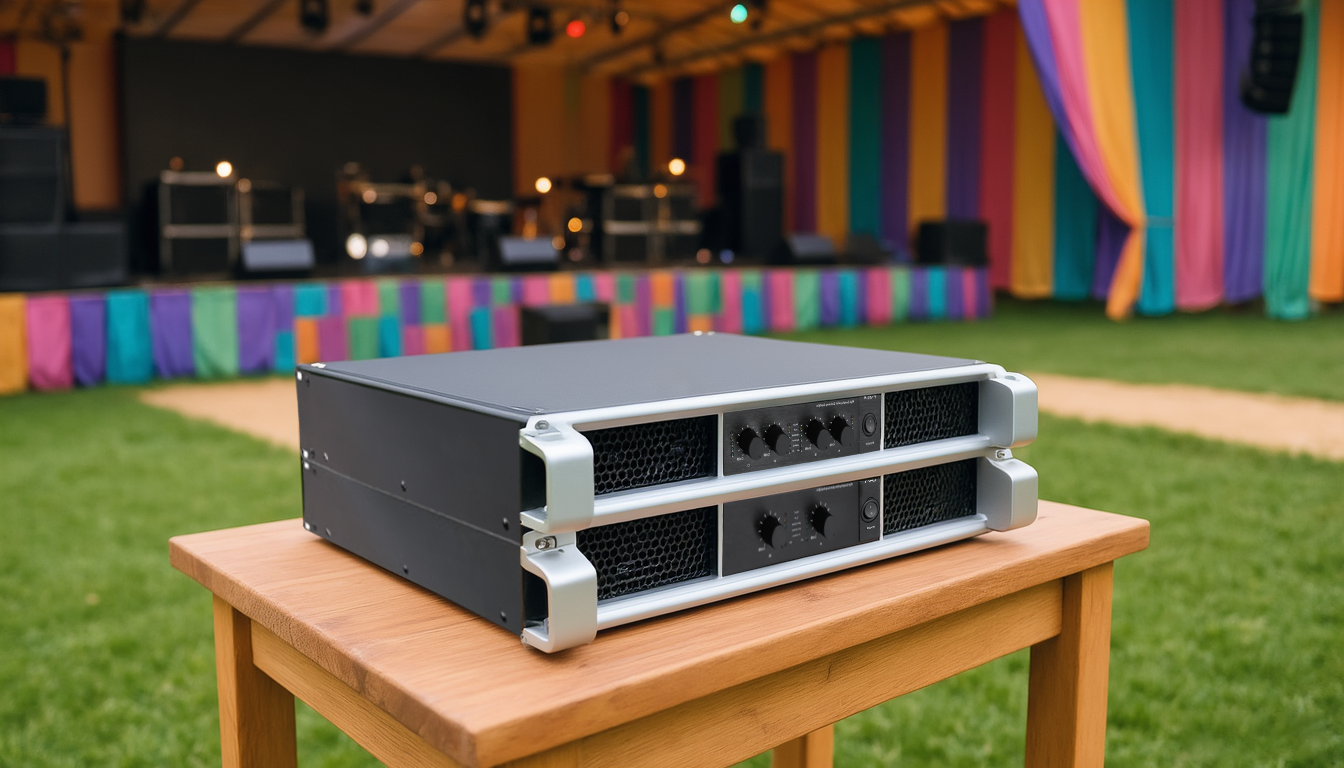
Audiophiles increasingly choose digital power amplifiers for high-end home systems. The combination of exceptional sound quality, compact form factors, and advanced features makes them ideal for modern living spaces. Auway Audio's residential amplifiers demonstrate how digital technology can deliver reference-quality sound without the bulk and heat generation of traditional amplifiers.
Live sound environments place extreme demands on amplification systems. Digital power amplifiers meet these challenges with robust construction, intelligent protection circuits, and the ability to drive complex speaker loads efficiently. The built-in DSP capabilities enable sound engineers to optimize system response without external processing equipment.
Background music systems, conference rooms, and retail environments benefit from the reliability and efficiency of digital amplification. The ability to network multiple amplifiers and control them remotely adds significant value in commercial applications where centralized management is essential.
Determining the appropriate power output requires careful consideration of your speakers and listening environment. Digital power amplifiers typically provide their rated power more consistently than analog designs, so you may need less peak power than you might expect. Consider both continuous and peak power requirements when making your selection.
Evaluate the connectivity requirements for your specific application. Professional installations often require balanced XLR inputs, while home systems might prioritize USB and network connectivity. Similarly, consider whether you need multiple output channels or specialized outputs for subwoofers.
The sophistication of built-in digital signal processing varies significantly between models. Basic units might offer simple equalization, while advanced systems provide comprehensive room correction, crossover management, and remote control capabilities. Determine which features align with your performance goals and budget constraints.
Digital power amplifier technology continues advancing rapidly. Emerging developments include machine learning algorithms that adapt to listening preferences, improved wireless connectivity standards, and integration with smart home systems. Auway Audio remains committed to pushing these boundaries, developing next-generation amplifiers that anticipate the needs of tomorrow's audio systems.
The trend toward higher-resolution audio formats also drives digital power amplifier development. As streaming services and digital audio workstations support increasingly high sample rates and bit depths, amplifiers must evolve to preserve this enhanced audio quality throughout the reproduction chain.
Transitioning from analog to digital amplification represents more than just equipment replacement. It's an opportunity to reimagine your entire audio system architecture. The integration capabilities of modern digital power amplifiers enable system designs that were previously impossible or prohibitively expensive.
Consider starting with a single digital power amplifier in your system to experience the benefits firsthand. Many users find that once they hear the clarity and precision of well-implemented digital amplification, returning to analog systems becomes difficult.
The digital power amplifier revolution has fundamentally changed how we approach audio reproduction. By combining the precision of digital signal processing with the efficiency of modern switching amplifiers, these systems deliver performance that satisfies both technical measurements and subjective listening experiences. As technology continues advancing, digital power amplifiers will undoubtedly play an increasingly central role in audio systems across all market segments.


