
Views: 0 Author: Site Editor Publish Time: 2025-11-17 Origin: Site


Ever been to a concert where the music felt muddy, the vocals were lost, and the overall experience was just… off? Conversely, have you ever felt the pure thrill of a live performance where every note was crystal clear, and every word was perfectly audible, creating an immersive atmosphere? The difference between these two experiences often comes down to one crucial element: live sound reinforcement.
This guide will walk you through the fundamentals of live sound reinforcement. You'll learn what it is, why it's essential for any live event, and the key components that work together to create an unforgettable audio experience. We will also explore how choosing the right equipment, like the professional audio solutions from Auway, can elevate your event from ordinary to extraordinary. By the end of this post, you'll have a solid understanding of how to ensure your live sound is always on point.
Live sound reinforcement is the process of using microphones, signal processors, amplifiers, and loudspeakers to enhance and distribute sound to a larger or more distant audience. The goal isn't just to make things louder, but to ensure clarity, balance, and an enjoyable listening experience for everyone, whether they're in the front row or the back of the venue.
Think of it as the bridge between the performer and the audience. Without it, the natural sound from the stage would be too quiet, unbalanced, or unintelligible for most people to hear properly. A well-designed sound reinforcement system captures the audio at its source, processes it to improve its quality, and then amplifies it for widespread distribution. This process is vital for everything from small coffee shop gigs and corporate presentations to massive stadium concerts and outdoor festivals.
A live sound reinforcement system is composed of several key stages, each playing a critical role in the final audio output. Understanding these components helps you appreciate the complexity and artistry involved in producing high-quality live sound.
Everything starts at the source. Input devices capture the sound from the performers and convert it into an electrical signal.
· Microphones: These are the most common input sources. There are different types for various applications, such as dynamic mics for vocals and instrument amps, and condenser mics for delicate acoustic instruments and overheads.
· Direct Boxes (DIs): These are used to connect electronic instruments like keyboards, bass guitars, and acoustic-electric guitars directly to the mixing console. DIs convert the instrument's unbalanced, high-impedance signal into a balanced, low-impedance signal suitable for the mixer.
· Playback Devices: Laptops, media players, and DJ controllers also serve as input sources for background music, backing tracks, or pre-recorded announcements.
Once the audio signals are captured, they are sent to a mixing console. This is the heart of the live sound reinforcement system, where the audio engineer works their magic.
· Mixing Console: Also known as a mixer or soundboard, this is where all the input signals converge. Here, the engineer can adjust the volume of each source, apply equalization (EQ) to shape the tone, and add effects like reverb or delay to enhance the sound. The goal is to create a balanced, cohesive mix where every element can be heard clearly.
· Signal Processors: While mixers have built-in processing, external units or software plugins are often used for more advanced control. These include compressors to control dynamic range, gates to reduce unwanted noise, and graphic equalizers to tune the system to the room.
After the signals have been mixed and processed, they need to be amplified before they can drive the loudspeakers.
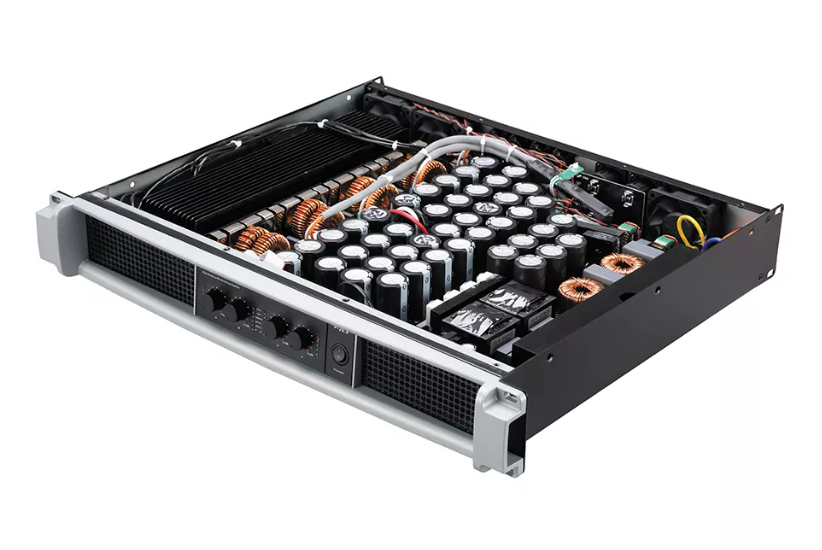
· Power Amplifiers: These devices take the low-level signal from the mixer and boost it to a level powerful enough to move the speaker cones and produce sound. The amplifier's power rating must be carefully matched to the loudspeakers to ensure optimal performance and prevent damage. For a brand like Auway, integrating high-performance amplifiers with their speaker systems is a key part of their design philosophy, ensuring clean, reliable power.
The final stage is where the electrical signal is converted back into audible sound waves for the audience.
· Loudspeakers (Speakers): These come in various shapes and sizes, designed for different purposes. A typical setup includes main speakers (for the bulk of the audience), subwoofers (for low-frequency bass), and stage monitors (so performers can hear themselves).
· Speaker Systems: For larger venues, line array systems are often used. These consist of multiple speaker cabinets stacked vertically to provide even sound coverage over a wide area. Auway specializes in these professional systems, designing line arrays that deliver consistent and high-fidelity audio across diverse event spaces.
Selecting the right components is crucial for building an effective live sound reinforcement system. Your choice will depend on the venue size, audience capacity, type of performance, and budget.
Here’s a basic breakdown to help you decide:
Venue Size / Event Type | Recommended Speaker System | Mixer Complexity | Key Considerations |
Small Cafe / Solo Act | 1-2 portable powered speakers on stands. | Small analog or digital mixer (4-8 channels). | Portability and ease of setup are paramount. A compact system is ideal. |
Medium Club / Band | 2 main speakers, 1-2 subwoofers, and stage monitors. | Digital mixer (16-32 channels) for more inputs and processing. | Need for more power and low-end reinforcement. Monitors are essential for the band. |
Large Hall / Conference | Line array system for main coverage, plus fill speakers for side areas. | Large-format digital mixer (32+ channels) with network capabilities. | Even coverage and speech intelligibility are critical. Professional gear is a must. |
Outdoor Festival | Multiple large-scale line arrays and numerous subwoofers. | High-end digital console with extensive I/O and routing. | Weather resistance, massive power, and precise coverage planning are required. |
When sourcing your equipment, partnering with a reliable manufacturer like Auway can make a significant difference. Auway provides a comprehensive range of professional audio products, from powerful line array systems perfect for large venues to versatile speakers suited for smaller events. Their focus on engineering excellence and durable construction ensures that your investment delivers exceptional sound quality and reliability, show after show.
Live sound reinforcement is both a science and an art. It requires a deep understanding of acoustics, electronics, and the creative intuition to craft a mix that connects with the audience. By understanding its core components—from input to output—and choosing the right equipment for the job, you can ensure your events sound professional, clear, and impactful.
Whether you are an aspiring audio engineer, an event planner, or a performer, paying attention to the quality of your sound reinforcement system is one of the most important steps you can take toward success.
Ready to elevate your live sound? Explore the professional audio solutions offered by Auway and discover how their cutting-edge technology can help you deliver an unforgettable audio experience at your next event.


