
Views: 0 Author: Site Editor Publish Time: 2025-12-08 Origin: Site


A powerful sound system is the heartbeat of any stadium. It transforms a simple game into a full-sensory experience, ensuring every fan feels the energy of the crowd, the impact of a play, and the thrill of the music. Without a high-quality audio setup, the atmosphere falls flat, and key announcements get lost in the noise.
For stadium managers and event organizers, choosing the right sound system is a critical decision. It involves navigating complex technical specifications, understanding acoustic challenges, and ensuring the final installation delivers clear, powerful audio to every seat in the house.
This guide will walk you through the essential components of a modern stadium sound system. We'll cover everything from speaker types and amplifier power to system design and maintenance, helping you make an informed choice that elevates the fan experience.
A stadium sound system is a complex network of components working together to deliver a seamless audio experience. Understanding each part's function is crucial for designing a system that meets the venue's unique needs.
Loudspeakers are the most visible part of the system, responsible for converting electrical signals into audible sound. In a stadium environment, they must be powerful enough to cover vast distances and durable enough to withstand outdoor conditions.
Point Source Speakers: These are individual speakers that project sound from a single point. They are often clustered together and aimed at specific seating sections. Point source systems are great for smaller venues or for providing supplemental coverage in hard-to-reach areas.
Line Array Speakers: This is the most common solution for large stadiums. Line arrays consist of multiple speaker cabinets stacked vertically. This configuration allows sound to be precisely directed, ensuring even coverage and minimizing noise pollution outside the venue. They offer excellent clarity and control over large areas.
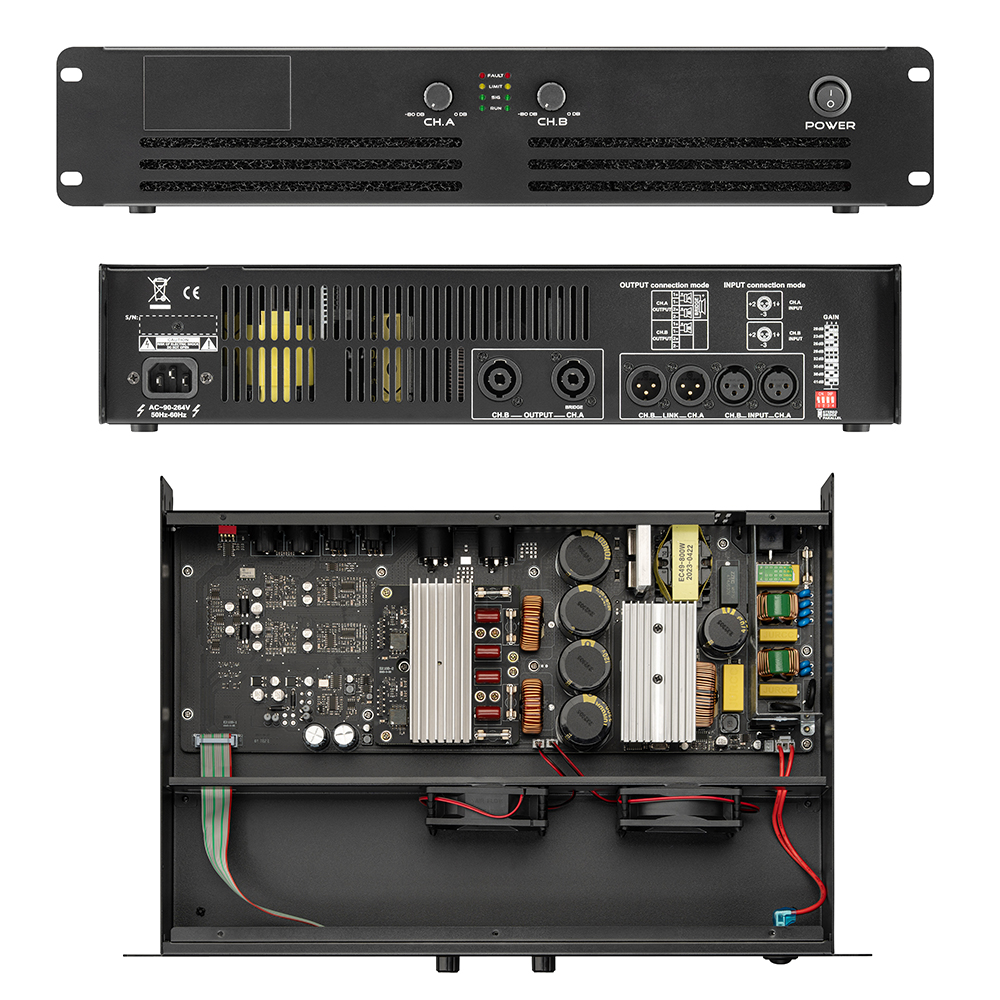
Amplifiers are the engine of the sound system. They take the low-level audio signal from the mixing console and boost its power to drive the loudspeakers. For a venue as large as a stadium, high-power, reliable amplifiers are non-negotiable.
Amplifier Class | Key Characteristics | Best For |
|---|---|---|
Class AB | Good sound quality, moderate efficiency. | Smaller applications or high-fidelity sound zones. |
Class D | High efficiency (over 90%), compact, and lightweight. | Large-scale installations like stadiums where power efficiency and heat reduction are critical. |
Auway Audio, for instance, specializes in developing innovative and cost-effective professional audio solutions, including high-performance amplifiers suitable for demanding environments like stadiums. Based in Enping City, a hub for China's electroacoustic industry, companies like Auway leverage a mature industrial chain to produce quality audio equipment.
The mixing console is the control center. Audio engineers use it to manage all audio sources, such as microphones, music playback, and video feeds. A digital mixing console is standard for modern stadiums, offering advanced processing, routing flexibility, and the ability to save settings for different types of events.
From the national anthem singer to the on-field referee, microphones are essential for capturing live audio. Stadiums typically use a mix of wired and wireless microphones. Wireless systems provide freedom of movement, which is vital for performers and announcers on the field.
A DSP is the brain behind the system's sound quality. It optimizes the audio signal by managing equalization (EQ), compression, limiting, and time alignment. In a stadium, a DSP ensures that sound from different speakers arrives at the listener's ear at the same time, resulting in a clear and coherent audio image.
Designing a sound system for a stadium is a highly specialized task that requires careful planning and expertise. The goal is to achieve consistent coverage and high speech intelligibility throughout the entire venue.
Before any equipment is installed, audio engineers use specialized software to create a 3D acoustic model of the stadium. This model simulates how sound will behave within the space, taking into account factors like seating geometry, construction materials, and reflective surfaces. This process helps identify potential acoustic problems and determines the optimal placement and type of speakers needed.
Based on the acoustic model, engineers will decide between a point source or line array system.
Distributed System: In this design, numerous smaller speakers are placed throughout the seating areas, such as under balconies or on poles. This approach is effective for complex venue shapes and can provide excellent clarity, but it is often more expensive and complex to install.
End-zone Cluster: This involves placing a large line array or point source cluster at one end of the stadium. It's a more straightforward setup but can struggle with even coverage and time delays for seats furthest from the speakers.
Most stadium sound systems are exposed to the elements, so all outdoor components must be weather-resistant. Look for speakers with an Ingress Protection (IP) rating, which indicates their level of protection against dust and water. A rating of IP55 or higher is typically recommended for outdoor stadium use.
The sound system must integrate seamlessly with other stadium systems, including the video scoreboards, broadcast feeds, and emergency announcement systems. This integration is crucial for creating a cohesive fan experience and ensuring public safety.
The success of a stadium sound system project depends heavily on the expertise of the manufacturer and installer. Companies like Enping Auway Audio Equipment Co., Ltd. offer comprehensive audio solutions, from amplifiers to complete systems, designed for large-scale applications. Established in 2020, Auway focuses on innovation and quality, providing cost-effective professional audio for various scenarios, including commercial performances and large venues.
When selecting a partner, look for a company with:
A proven track record in large venue installations.
In-house R&D capabilities to ensure innovative and reliable products.
A commitment to quality and customer support.
A state-of-the-art stadium sound systemis no longer a luxury—it's an essential component of the modern fan experience. By investing in high-quality speakers, powerful amplifiers, and an intelligent system design, you can create an immersive atmosphere that keeps fans engaged and coming back for more. With the right equipment and expert partners, you can ensure every announcement is heard and every musical cue hits with maximum impact.


